

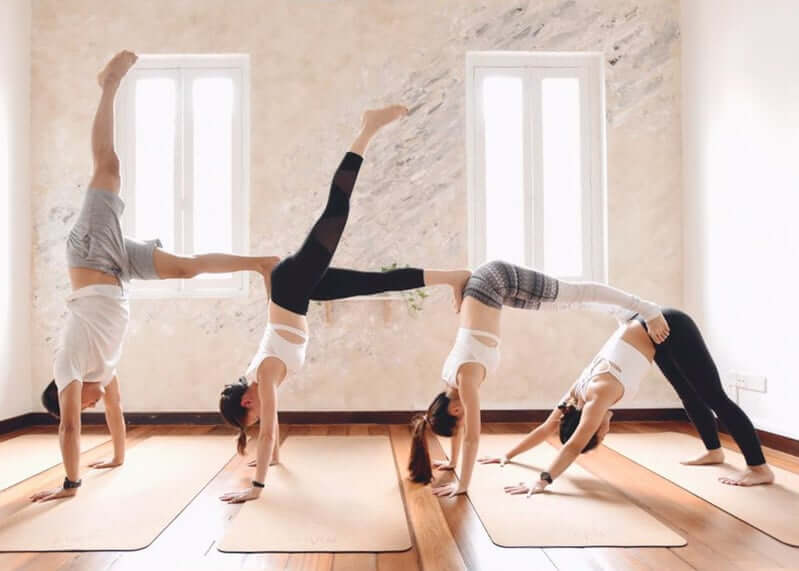
Life in Singapore is fast-paced and high-performing. With the daily grind of meetings, deadlines, and digital demands, many working professionals are feeling the physical and emotional toll of a sedentary lifestyle. Amidst this constant hustle, yoga classes Singapore have become an essential wellness choice for office workers seeking relief from stress, body stiffness, and mental fatigue.
Whether it’s squeezing in a lunchtime session or unwinding after hours, more professionals are turning to yoga as a powerful way to recharge, rebalance, and prevent burnout. These classes are not just a trend—they are a necessity for anyone navigating Singapore’s demanding corporate culture.
Why Yoga Makes Sense for Office Workers
Modern desk-bound jobs often involve long hours in static positions, leading to a range of health concerns such as poor posture, back and neck pain, reduced mobility, eye strain, and chronic fatigue. Physically, yoga helps counteract these issues by:
- Stretching tight muscles and joints
- Improving spinal alignment and posture
- Enhancing circulation and energy levels
- Strengthening the core and stabilising muscles
But it doesn’t end there. The mental benefits of yoga are just as significant. Through controlled breathing and mindfulness, yoga helps to:
- Reduce stress and anxiety
- Improve focus and productivity
- Encourage emotional resilience
- Enhance overall mood and confidence
When incorporated into a regular routine, yoga can be a game-changer for working professionals who often prioritise performance over personal wellbeing.
Common Workplace Issues Yoga Can Address
Let’s explore the common physical and mental issues experienced by professionals in Singapore—and how the right yoga classes can offer relief.
1. Poor Posture and Back Pain
Sitting hunched over a laptop for hours puts tremendous strain on the spine and shoulders. Yoga poses like Cat-Cow, Downward Dog, Cobra, and Child’s Pose realign the spine and relieve pressure on the back muscles.
2. Neck and Shoulder Tension
Hours spent staring at screens cause tension to accumulate in the neck and shoulders. Shoulder rolls, gentle twists, and chest-opening poses offer instant relief and can prevent long-term stiffness.
3. Stress and Mental Overload
With Singapore’s high-pressure work environment, stress is inevitable. Breathing exercises such as alternate nostril breathing (Nadi Shodhana) or simple meditative practices can bring about calm and mental clarity.
4. Sedentary Lifestyle
A lack of physical movement reduces flexibility and weakens muscles. Yoga provides a low-impact yet highly effective way to activate the body and encourage movement without overexertion.
Ideal Yoga Class Formats for Professionals in Singapore
Yoga studios across the island understand the needs of time-strapped professionals and offer a variety of formats to make yoga accessible and achievable. These include:
Express Classes (30–45 Minutes)
Perfect for those on a tight schedule, express yoga sessions are designed to maximise benefit in minimal time. These classes focus on key muscle groups, breath awareness, and a short relaxation period.
Evening De-Stress Flow
After a long day at work, a calming evening session can work wonders. These classes usually involve slow stretches, breath control, and gentle movements that help ease you into rest mode.
Weekend Rebalance Classes
For professionals who cannot attend weekday sessions, weekend morning or afternoon classes provide a deeper, more relaxed experience. These often include extended meditation or breathwork components.
Virtual Yoga Classes
The post-pandemic era has made hybrid work more common, and virtual yoga sessions allow employees to attend classes from the comfort of their homes. Many studios offer Zoom or recorded sessions that fit perfectly into work-from-home routines.
Studios like Yoga Edition have recognised the specific needs of professionals and designed class schedules and formats that promote work-life balance without compromising on quality.
What to Expect in a Yoga Class Designed for Working Adults
Whether you’re a beginner or returning to your mat after years, yoga classes for professionals are structured to be non-intimidating, practical, and rejuvenating. Here’s what most participants can expect:
- Guided Warm-ups: To ease into movement, warm-ups target common tension areas like wrists, hips, shoulders, and lower back.
- Functional Movement: Classes include dynamic stretches that support mobility and joint health, essential for those seated for long hours.
- Core Strengthening: A strong core supports good posture, prevents injury, and builds body awareness.
- Mindfulness Techniques: Instructors often incorporate short breathing exercises or meditation for mental clarity and emotional grounding.
- Adaptability: Options and variations are offered so each participant can practise at their own level.
Tips for Incorporating Yoga Into a Busy Professional Lifestyle
Making time for yoga doesn’t have to be difficult. Here are practical tips for staying consistent:
- Start Small: Even one or two sessions a week can yield noticeable results. Consistency matters more than intensity.
- Schedule It Like a Meeting: Block your calendar for yoga, just like you would for any work meeting.
- Keep a Yoga Mat at Work: Use break times to stretch or practise a few poses in a quiet corner.
- Opt for Lunchtime Classes: These break the monotony of the day and boost energy levels for the afternoon stretch.
- Choose Classes Near the Office or Home: Convenience improves commitment.
How Companies in Singapore Are Encouraging Yoga
Many progressive companies in Singapore are now integrating yoga into their wellness programmes. Some common corporate initiatives include:
- On-site yoga sessions during lunch or after work
- Virtual yoga classes for remote employees
- Wellness stipends that cover yoga memberships
- Encouraging employees to take mindfulness breaks
- Organising “wellness days” or retreats featuring yoga workshops
These efforts demonstrate a growing awareness among employers that physical and mental wellbeing translates into better focus, reduced absenteeism, and higher job satisfaction.
Real-Life FAQ
Q: I work long hours and don’t get home before 9pm. Are there late-night yoga classes in Singapore?
A: Yes, many studios offer classes up to 9.30pm or even later. Some also provide on-demand virtual sessions you can follow anytime that suits your schedule.
Q: I’m not flexible at all. Can I still attend yoga classes?
A: Flexibility is not a prerequisite. In fact, yoga helps you become more flexible over time. Classes for professionals often include props and modifications for all levels.
Q: My back aches after sitting all day. Will yoga help?
A: Absolutely. Many poses in yoga directly address postural issues and spinal discomfort caused by prolonged sitting. Consistent practice can significantly reduce or eliminate back pain.
Q: What if I’m too tired after work? Should I still attend class?
A: Yes, especially if you choose a gentle evening flow. It will relax your body and calm your mind, helping you sleep better and wake up refreshed the next day.
Q: Are there any yoga classes during lunch breaks in Singapore?
A: Definitely. Several studios offer lunchtime express classes around business hubs. These are designed for professionals who want a quick stretch and stress relief during their workday.

Comments are closed.