

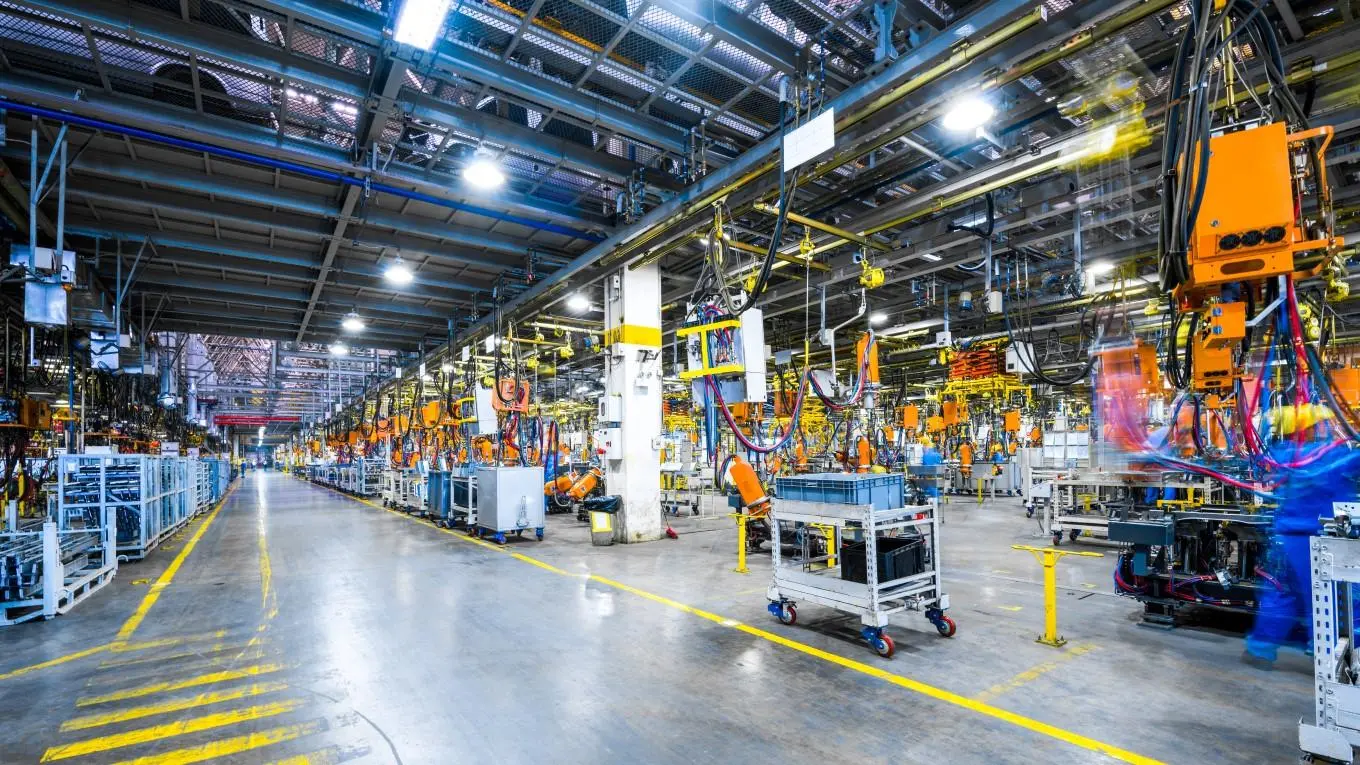
Understanding the Circular Economy in Warehousing
The circular economy is all about reducing waste, reusing materials, and making smarter, more sustainable choices. Unlike traditional models where products are used once and thrown away, the circular approach keeps resources in use for as long as possible. In the UAE, warehouses are stepping up and adopting this forward-thinking model to support both business growth and environmental responsibility.
Why Sustainability Matters for a Warehouse in UAE
As the logistics and storage sector continues to grow, the demand for warehouses in UAE is higher than ever. From e-commerce to manufacturing, businesses rely on well-equipped storage spaces to keep operations smooth. But with this growth comes the need for more energy, materials, and resources. That’s why many warehouses are now shifting toward eco-friendly practices that reduce waste and conserve energy, making them more efficient and future-ready.
Smart Design and Energy Efficiency
Modern warehouses are being designed with sustainability in mind. Facilities now include better insulation, solar panels, and energy-efficient lighting. These features reduce the environmental footprint while also cutting operational costs. LED lighting and natural ventilation are replacing older systems, making warehouses cooler, brighter, and more energy conscious.
Reusing and Recycling Materials
One of the key aspects of the circular economy is the reuse of materials. In many UAE warehouses, packaging materials, pallets, and containers are no longer treated as single-use. Instead, they are cleaned, repaired, and used again. Some warehouses even work with recycling partners to ensure that waste is sorted and processed properly. This helps reduce the amount of waste sent to landfills.
Eco-Friendly Construction and Materials
When building new warehouses or upgrading old ones, developers are now focusing on using recycled or sustainable construction materials. Steel frames, concrete blocks, and insulation made from recycled materials are becoming more common. This shift supports both the environment and long-term structural durability.
Water Conservation and Waste Management
Water-saving fixtures like sensor taps and low-flow toilets are becoming standard in many warehouses. Rainwater harvesting systems are also being introduced to reduce water usage. Waste is managed through clear separation bins for plastics, cardboard, and other recyclables, helping warehouse operators stay aligned with UAE’s green vision.
Digital Tools for Smarter Operations
Many warehouses in the UAE are adopting digital technologies to reduce waste and improve efficiency. Inventory tracking systems help avoid overstocking and expiration of goods. Smart sensors and automation reduce energy use by switching off lights and machines when not in use. These tools also help optimize delivery routes, reducing fuel consumption and carbon emissions.
Partnering with Green Businesses
A growing number of warehouses are choosing to work with suppliers, logistics providers, and clients that prioritize sustainability. This creates a ripple effect that promotes circular economy practices across the supply chain. Some facilities are also renting out extra space to startups focused on recycling or green product development, creating a shared ecosystem of eco-minded businesses.
Encouraging Employee Involvement
Sustainability is not just about technology—it also needs people. Warehouses are conducting training sessions to educate staff about waste reduction, energy saving, and recycling methods. Employees are encouraged to suggest ideas for reducing environmental impact, creating a team culture of responsibility and innovation.
Conclusion: Warehouses Leading the Green Shift
The shift toward a circular economy is reshaping the role of a warehouse in UAE. With better designs, smart systems, and a strong focus on sustainability, these facilities are no longer just storage spaces—they’re becoming models of responsible and efficient business. For young entrepreneurs and forward-thinking businesses, choosing a warehouse that follows circular economy practices is a smart step towards a greener, more successful future.

Comments are closed.